
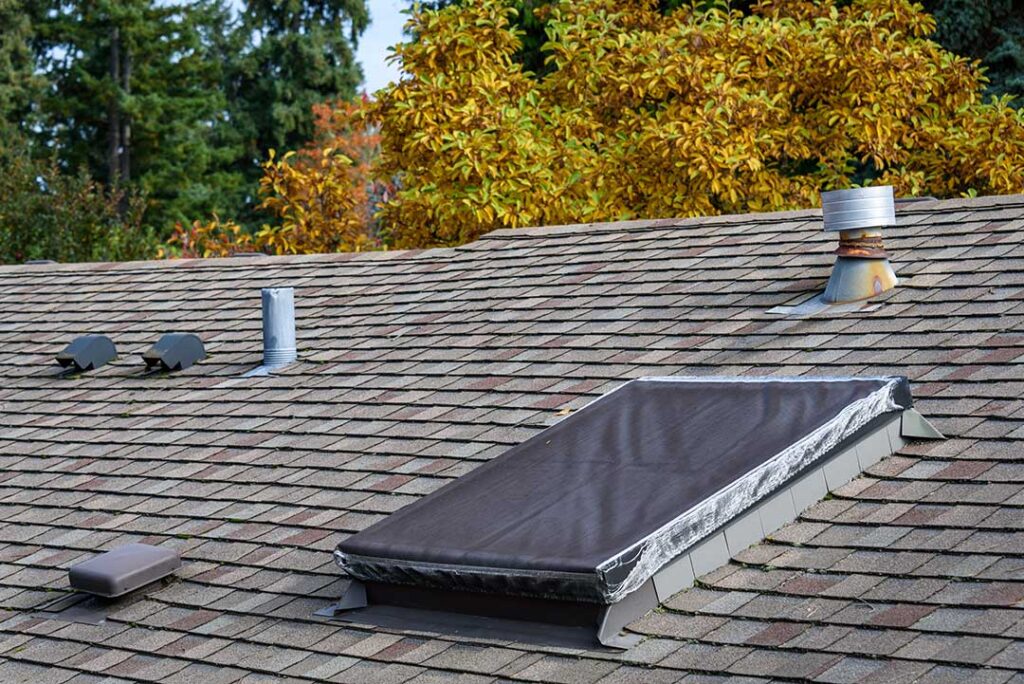
What is roof pitch?
Roof pitch describes how steeply a roof rises compared with how far it extends horizontally. It is commonly written as a ratio, such as 6:12, meaning the roof rises 6 inches for every 12 inches of horizontal distance.
A 3:12 roof is relatively low-slope, while a 9:12 roof is much steeper. The pitch affects how a roof sheds water, snow, and ice; which materials are appropriate; how the attic performs; and how safely the roof can be accessed.
Roof pitch is not the same as roof angle, although the two measurements describe the same basic shape in different ways. Pitch uses a rise-over-run ratio, while angle is measured in degrees.
Why does roof pitch matter in Albany, NY?
Roof pitch matters because local roofs must handle changing seasonal conditions, including rain, snow, freezing temperatures, ice formation, and summer heat.
A steeper roof generally allows precipitation to move off the surface more quickly. That can reduce the length of time water remains on the roof and may limit some snow accumulation. However, steepness alone does not prevent ice dams, leaks, or structural problems. Ventilation, insulation, flashing, drainage, roof shape, and maintenance all influence performance.
Low-slope roofs can also perform well, but they require careful water-management details. Water drains more slowly, so small installation defects, blocked drainage paths, or deteriorated membrane seams may become more significant.
How is roof pitch measured?
The safest way to measure roof pitch is from inside the attic or from the roof edge rather than by walking on the roof.
A basic measurement uses:
- A level
- A tape measure
- A ruler or straight edge
Hold the level horizontally and measure 12 inches along it. Then measure the vertical distance from the level down to the roof surface. If the vertical measurement is 6 inches, the pitch is 6:12.
A roof with an 8-inch rise over a 12-inch horizontal run has an 8:12 pitch. The numbers do not need to be reduced to a simpler fraction because roofing measurements traditionally use 12 inches as the run.
Roof pitch can vary across one building. A main roof may have one pitch, while a porch, dormer, addition, or garage roof may use another. This is common in older homes that have been expanded or remodeled over time.
What are the common roof-pitch ranges?
Roof pitch is often grouped into broad categories rather than strict universal classifications.
Low-slope roofs
Roofs below approximately 3:12 are generally considered low-slope. They may require specialized roofing systems because ordinary shingle installation is not suitable for every low-slope application.
Water drainage is a central concern. These roofs depend heavily on properly designed slopes, continuous membranes, sealed penetrations, and clear drainage routes.
Moderate-slope roofs
Pitches from roughly 4:12 through 6:12 are common on many residential buildings. They provide a balance between water shedding, material options, usable attic space, and construction complexity.
A 6:12 roof is noticeably sloped but may still be accessible to trained roofing workers using appropriate safety equipment.
Steep-slope roofs
Roofs around 7:12 and higher are considered steep by many roofing and safety standards. They shed water and snow efficiently, but walking surfaces become more difficult and hazardous as the pitch increases.
Steep roofs may require additional fall protection, specialized access equipment, and different installation methods. Homeowners should not assume that a visually manageable roof is safe to walk on, especially when surfaces are wet, icy, moss-covered, or damaged.
Does a steeper roof prevent ice dams?
No. A steep roof may reduce the amount of snow that remains in place, but it does not eliminate ice-dam risk.
Ice dams form when heat escapes into the attic and warms portions of the roof. Snow melts, flows toward colder eaves, and refreezes near the roof edge. The resulting ice can obstruct drainage and allow water to move beneath roofing materials.
Important factors include:
- Attic insulation levels
- Air sealing around ceiling penetrations
- Ventilation at the eaves and ridge
- Indoor humidity
- Snow depth and outdoor temperature
- Roof shape and areas where slopes meet
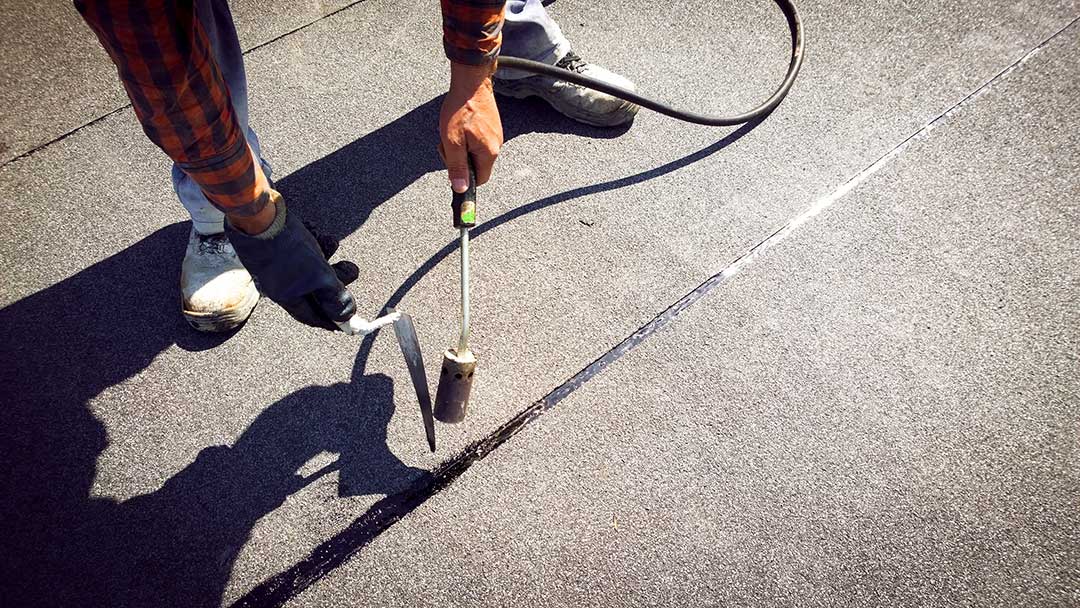
Low roof sections, valleys, dormers, and roof-to-wall transitions may be especially vulnerable because they can collect snow or concentrate runoff. Improving attic airflow or insulation may help, but the correct solution depends on how the roof and attic are built.
How does pitch affect roofing materials?
Roof pitch influences whether certain materials can be used and how they must be installed.
Asphalt shingles generally have minimum slope requirements. On lower slopes, water may move slowly enough to enter beneath overlapping materials, so additional underlayment or a different roofing system may be needed.
Metal roofing can be used on a range of slopes, but the panel design, seams, fasteners, and underlayment must match the roof’s shape and drainage needs. Slate, tile, and other heavy materials also introduce structural considerations beyond pitch.
Pitch affects more than the visible covering. It can change the placement of flashing, the design of valleys, the length of roof edges, and how water reaches gutters. A material that works well on one section of a house may not be appropriate on another section with a different slope.
Does roof pitch affect attic space and energy use?
Yes. A steeper roof often creates more vertical attic volume, which may provide additional room for insulation, ventilation, or storage. That does not automatically mean the attic is properly insulated or energy-efficient.
Energy performance depends on the location and continuity of insulation, air sealing, ventilation, and the condition of the ceiling and roof assemblies. A large attic can still experience heat loss if insulation is compressed, missing, damp, or bypassed by gaps around wiring, plumbing, chimneys, and recessed fixtures.
Roof pitch also affects the amount of roof surface exposed to sunlight and wind. Orientation, nearby trees, roof color, and surrounding buildings may influence heat gain and drying conditions more than pitch alone.
Can roof pitch reveal problems?
A change in roof pitch is not automatically a defect. Different slopes may reflect an intentional architectural design or a later addition. Problems are more likely when a slope changes unexpectedly because of sagging, framing movement, water damage, or settlement.
Warning signs include:
- A visible dip or wave in the roofline
- Cracked or displaced interior ceiling finishes
- Doors or windows that suddenly bind
- Repeated leakage near valleys or roof transitions
- Gutters pulling away from the roof edge
- Shingles that slide, buckle, or lose alignment
These conditions can involve structural or water-related hazards. Roof surfaces should not be walked on to investigate them, particularly during icy weather. Inspection from the attic, ground, or another safe location may provide useful information without adding risk.
What should homeowners remember about roof pitch?
Roof pitch is a design measurement with practical consequences. It affects drainage, snow behavior, ice-dam exposure, material selection, attic volume, maintenance access, and safety.
A steep roof is not automatically better, and a low-slope roof is not automatically defective. Performance depends on whether the entire roof system is suited to the slope and local weather conditions. Flashing, ventilation, insulation, underlayment, drainage, and workmanship must work together.
For area households, understanding pitch can make roof-related conversations clearer and help explain why two sections of the same building may require different materials or maintenance. It also provides a useful starting point when evaluating roof age, attic conditions, drainage patterns, and seasonal concerns.
