

What Is a Roof Warranty, and Why Does It Matter in Albany, NY?
A roof warranty is a written guarantee that protects homeowners against certain problems or failures involving the roof materials or installation. For Albany, NY residents, understanding a roof warranty is valuable because of the area’s weather challenges, which include heavy snow, ice, strong winds, and seasonal temperature swings.
Warranties can offer peace of mind, but only if their terms are well understood. Many homeowners discover too late that their coverage is limited or that exclusions apply, especially after a harsh winter or prolonged freeze-thaw cycles common in the region.
What Types of Roof Warranties Are Available?
There are generally two main types of warranties covering roof work:
- Manufacturer (Material) Warranties: These cover defects or early failure in shingles, underlayment, or other materials due to manufacturing problems. Coverage can range from 10 years to limited lifetime, but the fine print varies.
- Workmanship (Labor) Warranties: Provided by the installer, these cover errors in roof installation, such as improper nailing or flashing issues. These warranties are often shorter, sometimes 1–10 years.
Some roofing systems may offer additional protection packages or "enhanced" warranties for an added cost. Always review what’s included and what’s required to keep the warranty valid. For example, some material warranties require regular roof inspections or proof that only approved products were used together.
What Is Commonly Covered—and What Is Not?
Most warranties are limited in scope. Material warranties typically promise replacement or refund if shingles fail prematurely—*only* due to manufacturing issues. Wind coverage is often capped (such as up to 110 mph), and damage from branch impacts, heavy snow, ponding water, or ice dams is generally excluded.
Workmanship coverage addresses mistakes made during installation, but doesn’t include damage from storms, foot traffic, or later modifications by others.
Certain exclusions are especially relevant for Albany homeowners:
- Ice dams are a frequent winter issue here, and most warranties do not cover leaks caused by them.
- Unattended maintenance, such as clogged gutters or accumulations of debris, can void both material and labor coverage.
How Do Climate and Seasonal Changes Affect Your Warranty?
Winters in Albany bring significant snow loads, ice, and freeze-thaw cycles. These climate factors put roofs under extra stress, which is exactly when many residents turn to their warranties—only to find certain issues aren’t covered.
For example:
- Warranties rarely cover damage from ice damming, unless special underlayment was correctly installed and explicitly included in the warranty terms.
- High winds from nor’easters may exceed the “maximum wind speed” listed in material warranties.
- Repeated melting and freezing can loosen shingles or flashings, but gradual wear like this is considered normal aging and typically excluded.
Homeowners should routinely monitor their roofs, especially after major storms, and keep records of maintenance since proof of care may be required for warranty claims.
What Are the Homeowner’s Responsibilities Under a Roof Warranty?
To keep a warranty valid, Albany area households usually need to:
- Maintain the roof surface, keeping gutters and downspouts clear.
- Address small leaks or damage promptly.
- Avoid unauthorized repairs, modifications, or installations (such as satellite dishes).
- Follow the manufacturer’s recommended maintenance schedule.
Failure to comply can void even the most robust coverage. Saving receipts and taking dated photos during maintenance or after storms can help if a dispute arises.
How Are Warranty Claims Filed and Evaluated?
If a problem develops, the warranty agreement typically details the claim process. Residents should:
- Locate the original warranty paperwork.
- Gather photos and documentation of the problem.
- Submit a claim to the manufacturer or roofer within the required time frame.
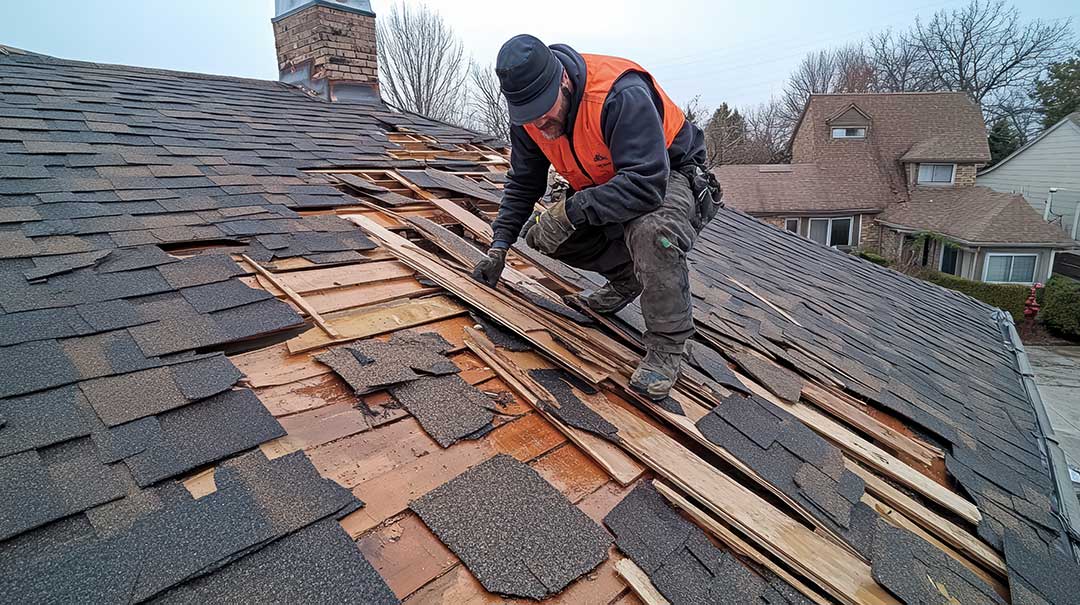
An inspection may follow, after which the company decides if the issue is covered. Decisions can be strict, as warranties outline exact terms; for instance, if an ice dam causes water intrusion after an unusual winter, coverage may be denied if no leak barrier was installed.
What Are Some Common Misconceptions About Roof Warranties?
Many residents believe their roof is "fully covered" for decades, but this is rarely the case. Some frequent misconceptions include:
- Assuming any leak or damage is covered, when many are not.
- Believing a “lifetime” warranty means maintenance-free care or that it covers everything for as long as the homeowner owns the home.
- Not realizing that selling a house can end or reduce coverage, as many warranties are either non-transferable or only partially transferable to a new owner.
How Do Local Housing Patterns and Regulations Influence Warranties?
Albany’s mix of historic homes, 20th-century builds, and newer construction can influence how warranties apply:
- Older homes with irregular rooflines or past modifications may face installation challenges that could later complicate warranty coverage.
- Some city or state building codes require specific roofing materials or methods that also affect what’s covered in a warranty.
- Owners in neighborhoods with many large, mature trees may want to pay special attention to warranty language regarding fallen branches or blocked roof drains, as these risks are higher locally.
Checking local requirements and confirming with manufacturer documents can help homeowners avoid surprises.
What Should Residents Look for When Reviewing a Roof Warranty?
Carefully reading the warranty’s full text is time well spent. Key points to check include:
- What exactly triggers a repair, replacement, or refund?
- What are the stated exclusions (wind, ice, “acts of God”)?
- Who does the work if a claim is approved?
- Are there costs, such as deductibles, for covered repairs?
- Will transferring the warranty to a new owner reduce coverage length?
- Does the warranty require periodic inspections or proof of maintenance?
Understanding these details can help residents make informed choices and ensure they’re truly protected against Albany’s challenging seasons.
