
Which Roofing Materials Are Most Common in Albany, NY?
Residents in Albany, NY generally choose from asphalt shingles, metal roofing, wood shakes, slate, and sometimes clay or concrete tiles. Climate, budget, and the style of neighborhoods all influence local preferences. Asphalt shingles are the norm, but diverse local housing means a range of options are visible around the area.
How Does Each Material Handle Albany’s Climate?
Most homes in the city deal with four-season weather: hot, humid summers, cold, snowy winters, and steady rainfall in the spring and fall. Roofing materials must stand up to freeze-thaw cycles, strong winds, and the weight of heavy snow.
- Asphalt Shingles: These are reliable during moderate storms and provide fair insulation. However, they can wear out faster than some other materials due to Albany’s rapid weather changes and may degrade from ice dams.
- Metal Roofing: Excellent for shedding snow due to its smooth surface. Metal’s durability is a plus against local hail or strong winds, though noise from rain or sleet can be noticeable unless soundproofing is installed.
- Wood Shakes/Shingles: Offer some insulation and a rustic look common in older Albany homes. However, they need regular maintenance and can be vulnerable to moisture, moss, and rot, especially during humid summers or persistent spring rain.
- Slate: Long-lasting and impervious to both freeze-thaw cycles and heavy snow, slate is found mostly on historic buildings in certain parts of the city. It can be expensive and very heavy, often requiring structural upgrades.
- Clay/Concrete Tiles: Less common, but sometimes used for distinctive architectural styles. Tiles resist fire and decay but can crack under heavy snow if not properly installed or supported.
What Are the Pros and Cons of Asphalt Shingles for Area Residents?
Asphalt shingles are the go-to option for many families in Albany.
Advantages:
- Affordability relative to most other types
- Simple installation and access to repairs
- Decent resistance to wind and rain
Common Drawbacks:
- Shorter lifespan (typically 15-25 years) compared to alternatives
- Susceptibility to weather-driven wear, particularly in freeze-thaw or after hail events
- Risk of algae growth, which is common during humid summers
Those considering asphalt should check for modern, algae-resistant versions, and plan on routine roof inspections to catch early signs of wear.
Is Metal Roofing a Good Fit for Homes in the City?
Metal roofing can be a smart choice where performance matters, especially for managing snow loads and rapid thaw cycles.
Benefits:
- Longevity (often 40-70 years)
- High wind and fire resistance
- Reflects sunlight, which can keep attics cooler in the summer
Considerations:
- Higher up-front materials cost compared to asphalt
- Can be noisier during storms unless insulated
- May not suit historic appearance restrictions in certain neighborhoods
Some residents mistakenly believe that metal roofs attract more lightning, but installation standards and design eliminate that danger. Ice slides are possible if snow guards aren't installed, so consider local roof design and surroundings before choosing this material.
What Do Homeowners Overlook About Wood Roofing in Albany?
Wood shakes and shingles suit historic or cottage-style homes, adding authentic charm around the city.
Advantages:
- Natural insulation and ventilation
- Attractive, traditional look valued in older parts of town
Downsides:
- Demands consistent maintenance to avoid moss, mold, and rot in Albany’s moist springs and summers
- Fire risk unless treated, and may be restricted in certain areas
- Prone to splitting or warping during freeze-thaw cycles
A common misconception is that wood always lasts as long as slate or metal. In practice, wood shake roofs in this region may require replacement sooner if not diligently maintained.
Are Slate Roofs Practical for Modern Albany Households?
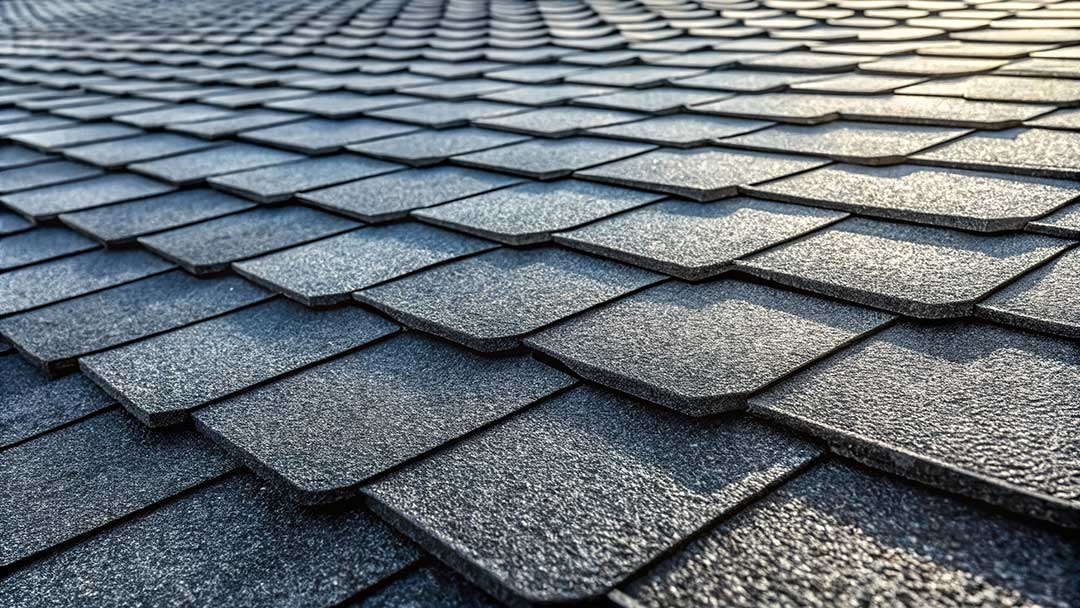
Slate roofs are a defining feature of many historic landmarks and older homes in the city.
Strengths:
- Exceptional durability (can last over 100 years)
- Unmatched resistance to fire, ice, snow, and local temperature swings
- Classic appearance, ideal for restoration projects
Challenges:
- Substantial weight, often needing extra framing or structural support
- Significant upfront cost for both materials and installation
- Finding matching repair materials can be difficult on older roofs
Homeowners sometimes underestimate the importance of ensuring the building can bear the load of slate tiles. Consulting a qualified structural engineer is essential before considering this route.
How About Tile Roofing Options for Albany Properties?
Clay and concrete tiles remain rare, except on distinctive homes inspired by Mediterranean or Spanish patterns.
Pros:
- Effective under a wide temperature range and superb fire resistance
- Minimal maintenance in dry conditions
Cons:
- Heavy, requiring careful engineering for snow loads and installation
- Tiles can crack as a result of freeze-thaw or if hit by falling ice
- Considerably more expensive than standard choices
They’re best for homes where architectural appeal and durability matter more than initial budget or ease of repair.
What Other Factors Should Residents Consider Before Choosing?
Local households can avoid headaches by reviewing these overlooked factors:
- Building codes and HOA restrictions: Certain areas maintain appearance standards, especially with visible roofs or historic districts.
- Architectural integrity: Not all homes can structurally support heavier materials like slate or tile without upgrades.
- Energy efficiency: Lighter-colored or reflective roofs may keep attics cooler in the summer, which can help with energy bills.
- Availability of repairs: Some materials may take longer to source for repairs due to limited supply or specialty installation requirements in the region.
- Wildlife and tree coverage: Shaded roofs or tree-covered lots may need materials with extra resistance to algae, moss, or falling branches.
Each roofing type offers distinct advantages and drawbacks, making it worthwhile to consider how long you intend to stay in your home, your maintenance expectations, and the design of the house itself before making a decision.
