
How Does Your Roof Affect Energy Use in Albany, NY Homes?
A roof is much more than just weather protection—it plays a pivotal role in how much energy a home uses for heating and cooling. In a place like Albany, NY, where winters can be cold and summers can bring heat waves, the roof’s materials, color, and condition directly influence comfort levels and utility bills.
A roof that regulates heat transfer well helps keep homes warmer in winter and cooler in summer. Poorly insulated or deteriorating roofs can lead to excess heat loss or gain, causing heating or cooling systems to work harder and increasing household expenses.
What Roofing Materials Are Most Energy Efficient Locally?
Roofs in this region face both heavy snow loads and summer sunlight. Each material offers different energy performance:
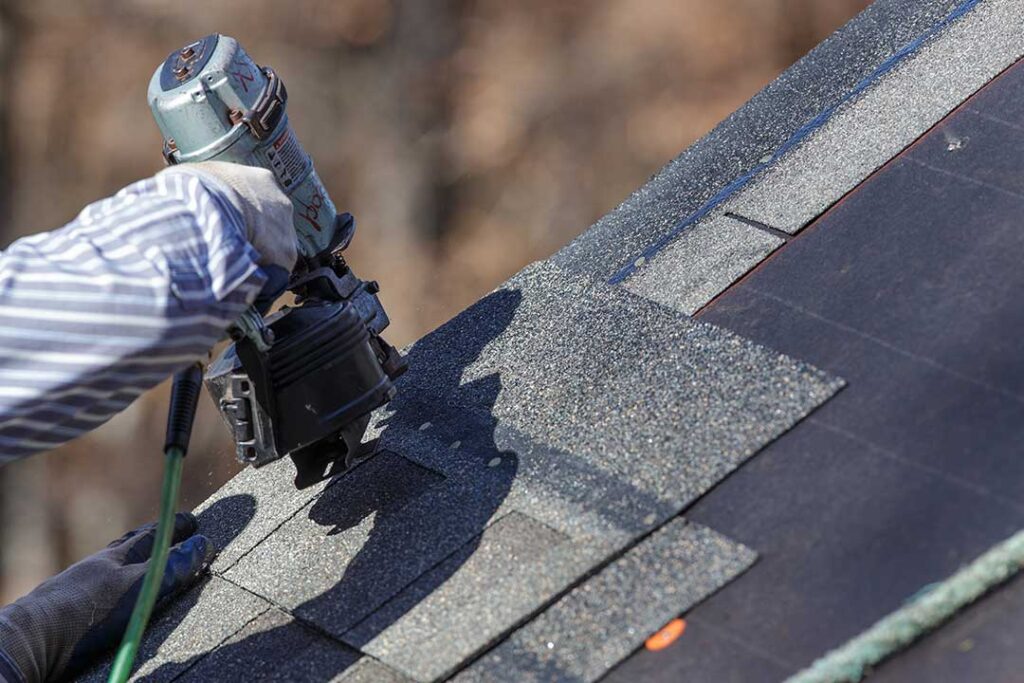
- Asphalt shingles: Common in area homes, these are affordable but vary in energy efficiency. Lighter colors can reflect more sunlight than dark ones, making a noticeable difference in summer.
- Metal roofing: Its reflective properties help reduce heat gain, especially when installed with a reflective coating. Metal also sheds snow, reducing ice dam risks.
- Clay and concrete tiles: Less common in the Northeast, but their thermal mass can help slow heat transfer.
- Slate: Used on some older homes, slate is durable and resists temperature swings but will depend on color for solar reflectivity.
Choosing a material for energy efficiency means weighing climate, historic norms, and performance throughout the temperature fluctuations typical in this region.
How Does Insulation and Ventilation Factor In?
The insulation and ventilation beneath a roof are just as influential as outside materials.
- Good attic insulation limits heat loss in winter and blocks heat intrusion during summer.
- Ventilation—such as soffit and ridge vents—helps prevent moisture buildup and keeps temperatures balanced, reducing strain on HVAC systems.
Area homes with older or inadequate attic insulation are likely to lose much more heat—a significant cost concern for residents during winter, when local heating needs peak.
Are Roof Colors Really That Important in This Climate?
Yes, the color of a roof impacts how much solar energy is absorbed. Light-colored roofs reflect more sunlight, while dark roofs absorb heat. For homes in Albany, the choice is nuanced:
- Lighter roofs can help reduce cooling needs in the summer, but their effect on winter heating costs is less direct, since snow often covers roofs during coldest months.
- Darker roofs may help melt snow, but the difference in overall energy use is minor compared to factors like insulation.
Most local homes prioritize other energy features first, though color is a practical but secondary factor.
What Are Common Misconceptions About Roof Energy Performance?
A few mistaken beliefs tend to circulate among area homeowners:
- “Any new roof is automatically energy efficient.” New materials may offer better insulation or reflectivity, but material choices and installation details make a bigger difference.
- “Attic fans always improve efficiency.” In some cases, powered attic fans can actually draw warm air from the living space rather than helping balance attic temperatures.
- “Fixing leaks is enough.” While stopping air and water leaks is important, true energy efficiency usually requires improving insulation and ventilation, not just repairs.
What Local Factors Should Residents Consider for Maximum Energy Efficiency?
Albany’s four-season climate presents unique roofing challenges: snow accumulation in winter, ice dams, summer heat, and significant freeze-thaw cycles.
- Effective attic insulation and air sealing help prevent ice dams—a common winter problem that wastes energy and damages homes.
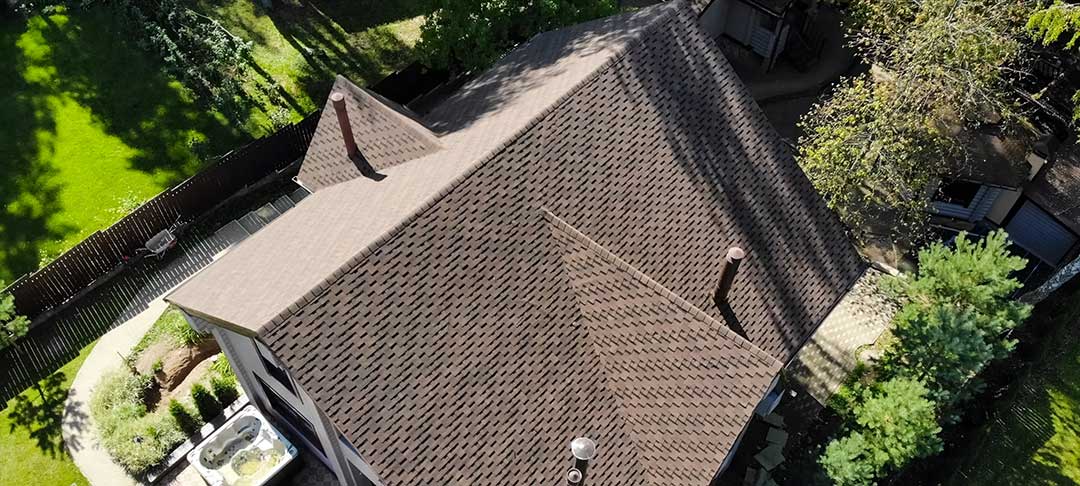
- Roof pitch impacts how long snow remains. Steeper angles shed snow faster, reducing winter issues, while flatter roofs may require additional vigilance.
- Tree cover can help shade a home and the roof from summer sun, but if branches block ventilation or trap debris, they may encourage moss growth and reduce roof life.
How Can Residents Check If Their Roof Is Hurting Their Energy Bills?
Determining a roof’s efficiency can be straightforward:
- Look for uneven melting patterns on winter snow—these often signal heat escaping through the roof.
- Notice if upper rooms are much hotter in summer or colder in winter, which may point to insulation or ventilation gaps.
- Survey for dampness, mold, or signs of persistent ice dams.
Rather than assuming major upgrades are needed, many homeowners start with small improvements: sealing attic bypasses, adding insulation, and clearing vents.
Are There Programs or Rebates for Energy-Efficient Roof Improvements?
State and regional programs sometimes offer incentives for making energy upgrades, such as adding insulation or improving roof ventilation. These can reduce out-of-pocket costs for households looking to improve thermal performance. For the latest options, area residents can check with New York State Energy Research and Development Authority (NYSERDA) or similar public agencies, which administer local programs but do not endorse specific contractors.
