
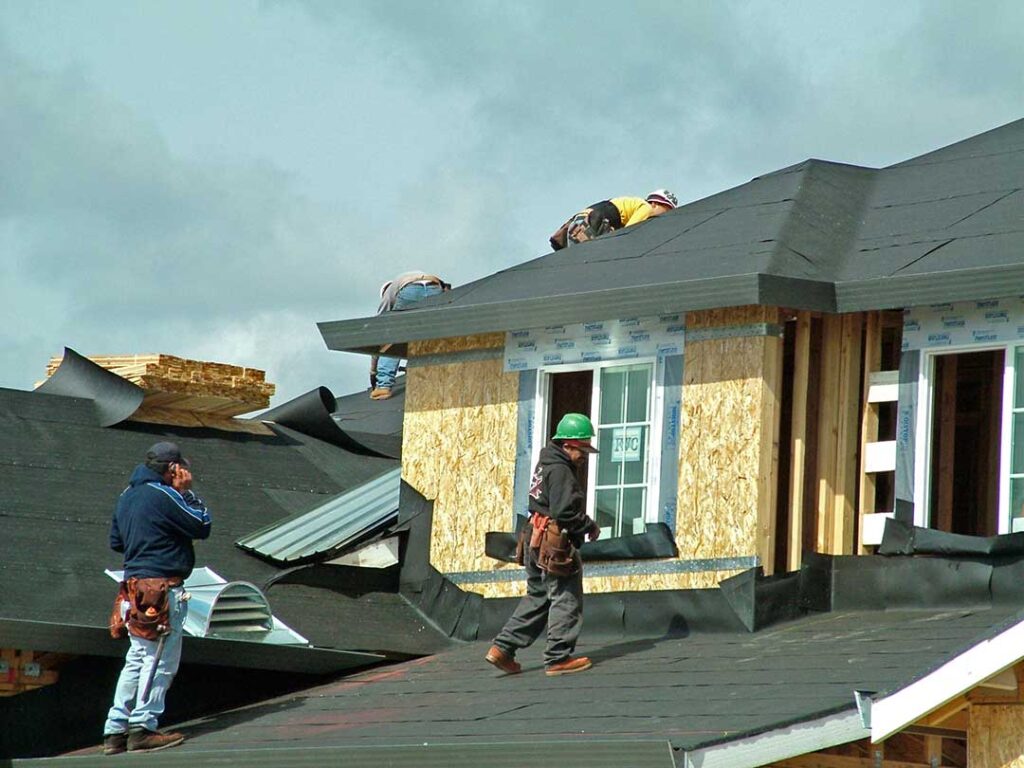
What Are the Typical Signs That a Roof Needs Replacement?
Most roofs in Albany, NY will give visible hints before a full replacement becomes urgent. Look for shingles that are missing, curling, or consistently losing their granules. Dark streaks, moss patches, and water stains in your attic or on upper ceilings often suggest problems that go beyond surface wear.
Many local homes have asphalt shingle roofs, which typically last 20-30 years in the city’s climate. Ice damming, dramatic freeze-thaw cycles, and heavy snow can shorten that lifespan if regular checks are missed.
- Watch for daylight peeking through the roof boards in your attic after sunset.
- Dripping water during heavy rain often means compromised underlayment.
- Flashings (the metal found around chimneys or vent pipes) that are rusted, loose, or missing could allow water in.
Ignoring these warning signs in an Albany winter can result in leaks that are much harder and costlier to fix once ice and snow are involved.
How Can Weather in Albany, NY Affect Roof Longevity?
The city experiences all four seasons, and those extremes matter for the roof overhead. Heavy winter snow, spring thaws, and autumn leaf piles can all hasten the need for roof replacement.
- Ice dams form when melting snow refreezes at the eaves, prying up shingles and letting water seep below.
- Albany’s windy storms can loosen shingles, especially on older roofs exposed to decades of weathering.
- Dense tree cover common in city neighborhoods means falling branches or backed-up gutters, which contribute to roof damage and moisture issues.
If your roof is over 15 years old, annual roof checks, especially after major storms or rough winters, can help predict when full replacement will likely be needed.
What Should Homeowners Check Themselves Before Assuming Replacement Is Needed?
Before rushing to replace the roof, some issues can be easily checked by local residents, either from the ground or via safe access to the attic.
- Check the ground around your home for shingle granules after rainfall—piles indicate aging or brittle shingles.
- Inspect from across the street for any unevenness. Roofs with dips or waviness in their structure could have hidden rot or sagging decking.
- Use binoculars to look for cracked, buckling, or missing shingles without climbing a ladder.
- In the attic, see if insulation is soggy, beams feel damp, or you notice mold smells (all signs of a failing roof).
If damage is isolated to a small area and the rest of the roof appears sound, replacement might not be necessary just yet.
How Old Should a Roof Be Before You Seriously Consider Replacement?
Age alone doesn’t mean replacement is urgent, but most asphalt roofs in Albany will need to be replaced by the 20-25 year mark, even if they still look decent from the street.
- Roofing material warranties often last 20-30 years, but the area’s freeze-thaw cycles can accelerate wear.
- Even if leaks aren’t obvious, subtle age-related breakdown—drying, cracking, or hardening of asphalt—can mean hidden risk.
- Insurance companies may ask about roof age when providing or renewing homeowners policies, as older roofs signal higher chances of claims from leaks or storm damage.
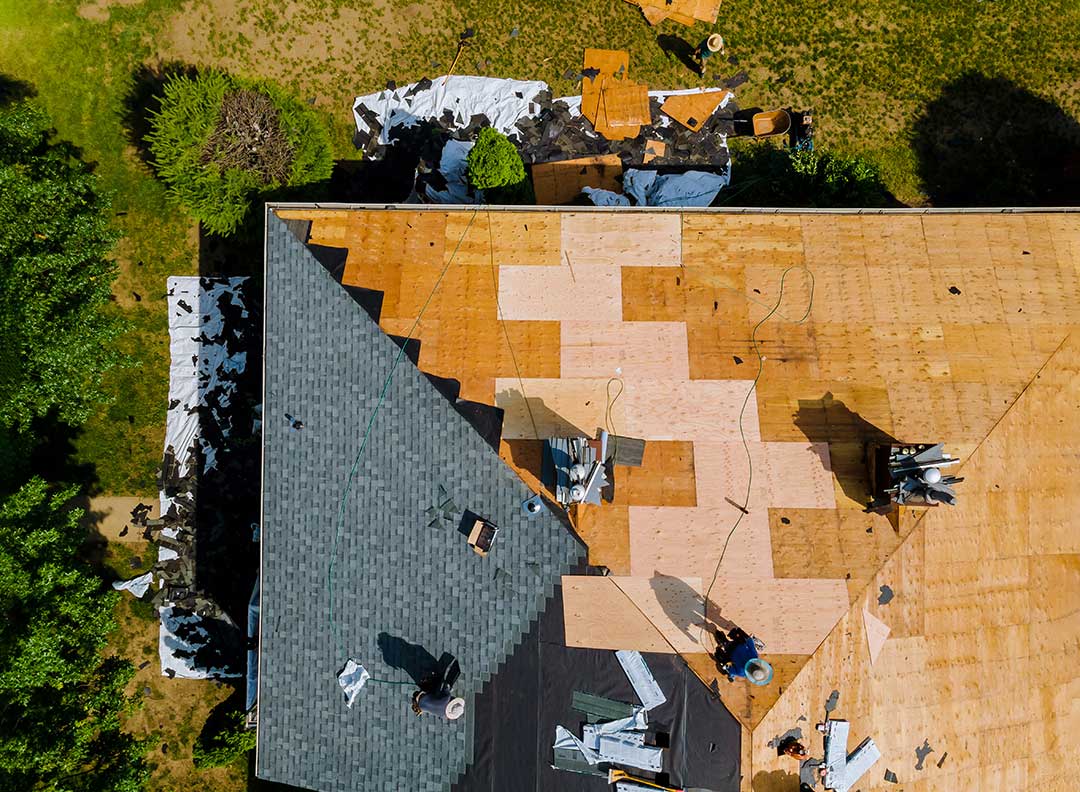
Tile, slate, or metal roofs can last much longer but still benefit from periodic close-up inspections for shifted tiles or fastener corrosion.
Are There Common Misconceptions About Roof Replacement in the Area?
Albany households sometimes put off roof replacement, believing that small leaks or a few bad shingles can always be patched. This isn’t always the case:
- Patching over old layers can trap moisture, leading to rot in the underlying wood.
- Mixing new shingles with weathered, brittle ones rarely seals out water the way a single, uniform installation does.
- A leaking roof doesn’t always mean water will show directly below the source. Water can travel along rafters, showing up unexpectedly in other rooms.
A professional inspection is always recommended if you notice rot, sagging, or substantial surface damage, but simple visual checks are a good first step for any homeowner.
What Factors Make Roof Replacement More Urgent in Albany?
Waiting to replace a failing roof can be risky, especially in this climate. Some situations need faster action:
- Large, spreading areas of moss or algae—these retain moisture and pull shingles up, letting water in.
- Multiple or recurring leaks—especially those worsening after storms or snow melt—mean the underlayment or roof deck has likely been breached.
- Severe storm damage, such as visible holes or missing sections after a wind event, requires immediate attention to prevent further interior damage.
- Sagging roof lines or visible daylight in the attic signals potential structural problems needing prompt replacement.
Delaying replacement in these scenarios can lead to attic mold, ceiling collapse, or costly repairs far exceeding the price of a new roof.
When Might Roof Repairs Be Enough Instead of Full Replacement?
Not all roof issues in the city require a total replacement. Small, isolated problems—like a handful of missing shingles due to wind, or minor flashing damage around a vent—can often be safely repaired if the rest of the roof is in good condition.
But if repairs become frequent, or if multiple types of damage (curling, granule loss, leaks, and sagging) appear together on a roof older than 15–20 years, replacement is usually the more cost-effective, long-term choice.
