

Why Do Overhanging Tree Limbs Matter for Roofs in Albany, NY?
Even well-established trees can pose unexpected problems for homeowners, especially when branches extend over rooftops. In Albany, NY’s neighborhoods with mature maples, oaks, and pines, tree limbs are a common sight near residential roofs. These branches introduce risks that many residents don’t realize until damage becomes visible, especially after seasonal storms or a tough winter.
How Can Tree Limbs Physically Damage Roofs?
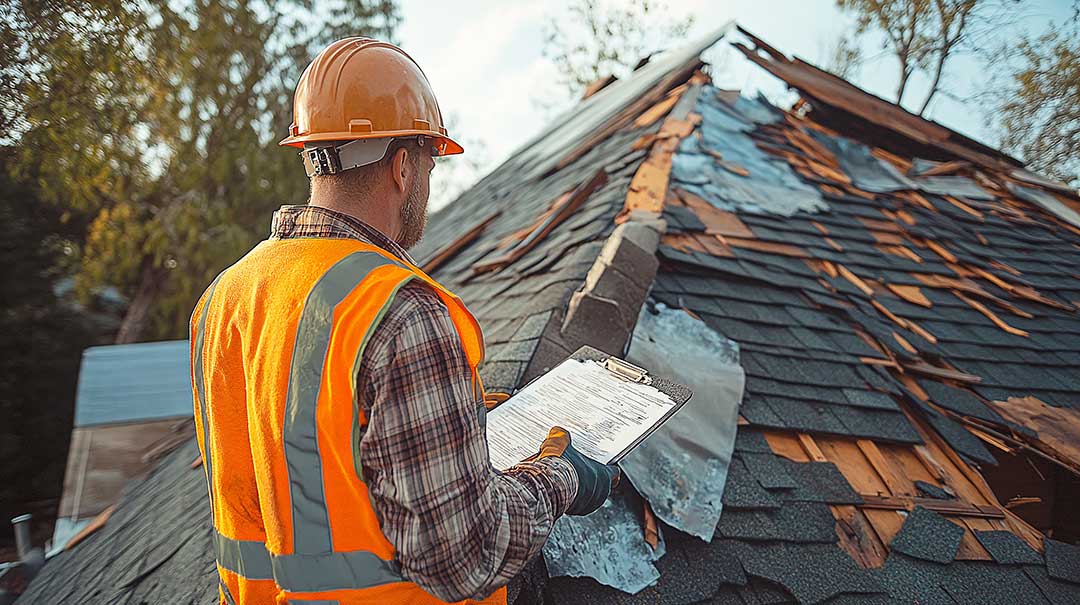
Direct contact between tree limbs and a roof is a frequent starting point for problems. When wind, snow, or ice weighs down branches, they can scrape or press against shingles, gutters, or flashing. This abrasion might seem minor at first, but over time:
- Shingles may lose their protective granules, accelerating wear.
- Branch pressure can break or dislodge shingles, exposing the underlayment.
- Gutters might bend or become clogged by twigs and leaves.
Residents often notice the effects after windy periods or following storms, when branches swing and rub persistently against roof surfaces. While Albany’s heavy snowfalls in winter cause obvious branch sagging, even calm, warm days can result in slow-moving branch contact that leads to gradual damage.
Can Tree Limbs Make Roof Leaks More Likely?
Yes, nearby branches raise the risk of roof leaks by creating various vulnerabilities. When limbs scrape away protective surfaces or deposit organic debris, water infiltration becomes more likely through:
- Damaged or missing shingles
- Blocked valleys or gutters that direct water under roofing materials
- Trapped leaves holding moisture against the surface
In the city’s humid summers and freeze-thaw cycles in other seasons, persistent wetness from debris can speed up the growth of moss, mold, and fungi—further degrading shingles and forming a path for water to seep under the roof covering.
What Are the Hidden Risks from Overhanging Branches?
Tree limbs don’t need to be touching your roof to create other issues. Here are some often-overlooked factors:
- Falling debris: Even without direct contact, branches shed leaves, twigs, seeds, and needles that collect on roofs. In corners, valleys, and behind chimneys, these materials can build up and block water flow.
- Pests: Trees close to the house offer an easy route for squirrels, mice, and insects to cross onto the roof and into the attic, increasing chances for chewing, nesting, or water intrusion.
- Ice Dams: During winter, debris from overhanging limbs can trap snow and ice, contributing to ice dam formation—a frequent issue in Albany. This can force water backward under shingles and into the roof deck.
Many local residents underestimate the reach of falling debris, especially when large trees are several feet away from the eaves.
How Does the Local Climate Influence the Impact of Tree Limbs?
Albany experiences significant seasonal variation, which affects how tree limbs impact roofs:
- Heavy snow and ice: Weight from ice on branches increases the risk of sudden limb breakage. Heavy limbs falling on a roof—especially an older one—can cause structural damage, punctures, or even collapse part of the roofing system.
- Wind storms: Strong wind events are common in the area, sometimes breaking off vulnerable branches, sending them crashing against shingles or skylights.
- Autumn leaf fall: Large, mature trees deposit substantial leaf litter onto rooftops every fall. This natural cycle stresses gutters and creates moist layers that are slow to dry.
Each of these patterns highlights the importance of monitoring not just your own trees, but also any large branches from neighboring properties that overhang your roofline.
What Maintenance Steps Can Prevent Tree-Related Roof Issues?
Routine checks are key for preventing minor problems from developing into costly repairs. Local homeowners can reduce risk by:
- Trimming back branches that hang over the roof or gutter lines, leaving at least 6–10 feet of clearance if possible.
- Removing accumulated leaves, twigs, and moss from the rooftop and gutters seasonally, especially after storms or in the fall.
- Looking for physical signs of abrasion, displaced shingles, or gutter clogs during visual inspections—binoculars or drone cameras can help if you don't want to climb.
- Watching for signs of critters or nests near rooflines.
It’s best to prune or remove limbs when trees are dormant (late fall to winter) to minimize stress on the tree and avoid sap attraction for insects.
What Are Common Misconceptions About Tree Branches and Roofs?
Many residents believe that trees need to be in direct contact to cause trouble, or that only major storms result in damage. In reality:
- Even small, flexible branches can repeatedly rub and wear shingles.
- Some assume only old or diseased trees pose risks; however, healthy trees can drop branches suddenly, especially after ice storms.
- Homeowners may think moss or small plants growing near branches is harmless, yet this vegetation holds extra moisture against the roof and accelerates deterioration.
A less obvious misconception is that pruning all overhanging branches will solve every issue. Over-pruning can harm tree health or destabilize large trees—balance and attention to tree structure are important.
When Should Residents Seek Professional Help?
Most maintenance can be handled with regular attention and safe, prudent trimming. However, residents should consult qualified help when:
- Large, heavy limbs are positioned directly over the home or utility lines.
- There’s evidence of structural roof damage, such as sagging, leaks, or significant missing shingles.
- Pruning would require climbing or working near power sources.
Removing sizable branches or those close to the roof can be dangerous without the right equipment or expertise, especially given Albany’s icy winters and variable weather.
