

Why Should Albany, NY Residents Prepare Roofs for Hurricane Season?
Preparing your roof before hurricane season reduces the risk of costly damage and helps ensure safety during extreme weather. Although Albany, NY is not coastal, the region occasionally faces remnants of hurricanes and severe storms capable of bringing strong winds and heavy rainfall. Local homes, especially older ones or those with aging roofs, are vulnerable to leaks, shingle loss, or water intrusion if not properly maintained.
What Are the Local Risks from Hurricanes and Severe Storms?
Remnants of Atlantic hurricanes often travel inland, bringing heavy rain and high winds to the area. Roofs face several risks:
- Shingle displacement or loss from wind uplift.
- Water infiltration from weakened or missing roofing materials.
- Tree limbs and debris falling due to strong gusts.
Understanding these threats helps residents make informed preparations rather than reacting after the fact.
How Can Homeowners Inspect Their Roofs Before Storm Season?
Begin with a safe, visual inspection from the ground using binoculars if needed. Walk the perimeter of your home, looking for:
- Missing, cracked, or curled shingles.
- Debris buildup in valleys or gutters.
- Moss, algae, or dark streaks indicating moisture retention.
- Damaged or rusted flashing around chimneys, skylights, and vents.
For a closer look, a secure ladder can give a better view, but roof walking is not necessary or recommended for most residents as asphalt surfaces can be slippery or unstable. Always prioritize safety. Engage experienced help only if you encounter clear hazards or structural concerns requiring specialized tools or knowledge.
What Maintenance Steps Make Roofs More Resilient?
Regular care can significantly extend a roof’s ability to withstand severe storms:
- Clear branches and debris from the roof and gutters so water drains freely.
- Trim overhanging tree limbs to prevent wind-fall damage.
- Secure any loose flashing with roofing nails or an appropriate sealant.
- Replace missing or damaged shingles using compatible materials and proper fastening techniques. Local hardware stores typically carry supplies that match common residential roofing.
Proactive maintenance in late spring or early summer ensures roofs are ready before storms develop.
Are Gutters and Downspouts Really That Important?
Yes. Gutters and downspouts protect both the roof and home’s foundation. Clogged gutters increase roof leak risks by trapping water, which can back up under shingles. Before hurricane season:
- Remove leaves, nests, and pine needles.
- Make sure downspouts direct water several feet away from the home.
- Check for sagging or sections pulling away from the house; these should be rehung or replaced to prevent sudden detachment in high winds.
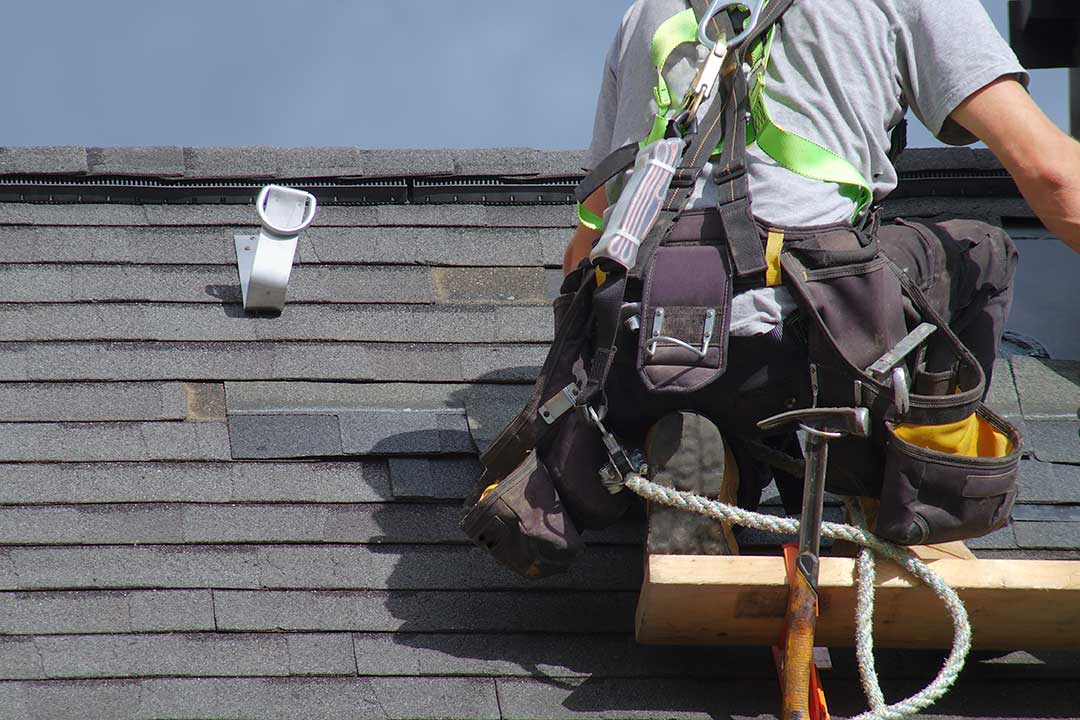
How Can Local Housing Styles Affect Roof Preparation?
Albany homes include a mix of older colonials, mid-century ranches, and newer builds. Older homes may have steeper roofs and intricate details requiring extra attention, such as slate or wood shake shingles, which need different repair techniques than asphalt. Homes with flatter roofs are more prone to pooling, increasing the chance of leaks during prolonged storms. Always match inspection and preparation steps to the particular construction and roofing material of the property.
What Are Common Misconceptions About Stormproofing Roofs?
A frequent myth is that newly installed roofs need no upkeep; in reality, routine checks catch manufacturer defects or installation oversights. Another misconception is that tarping or patching alone is enough, but these are temporary fixes following damage—not preventive measures. Also, adding extra weight, like sandbags, is unnecessary and can actually damage the roofing structure.
What Supplies Should Households Have Ready for Emergencies?
In Albany, households should prepare a basic set of supplies to manage minor roof problems caused by storms—especially if immediate repairs by professionals are delayed:
- Plastic sheeting or heavy-duty tarps to cover exposed areas.
- Roofing nails, a hammer, and a utility knife.
- Flashlight or headlamp for safe inspection if the power is out.
- A few sheets of plywood or boards for temporarily covering larger punctures.
Storing these in an easily accessible spot makes post-storm response safer and quicker, even if just for temporary repairs.
How Does Insurance Factor into Roof Preparedness?
Well-maintained roofs are less likely to suffer extensive damage, making insurance claims smoother and coverage more reliable. Insurers often ask for documentation of preventative care—photos during inspections, receipts for repairs, or written records of maintenance dates. If a storm does cause damage, prompt documentation and clear evidence of upkeep can support quicker claims processing.
